Hey there! I’m a supplier of hydraulic linear actuators, and I’ve seen my fair share of different brands in the market. Comparing these brands can be a real headache, especially if you’re not too familiar with the ins and outs of hydraulic linear actuators. But don’t worry, I’m here to help you navigate through this process. Hydraulic Linear Actuator
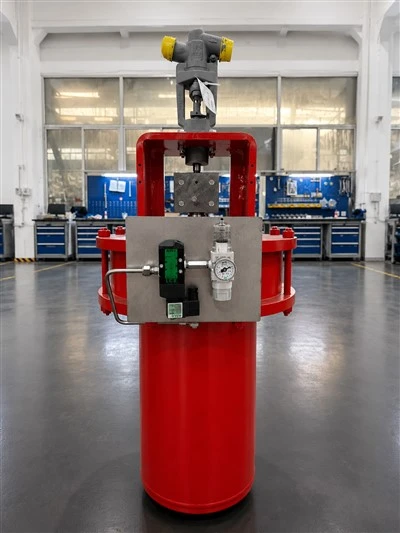
First things first, let’s talk about what a hydraulic linear actuator is. Simply put, it’s a device that uses hydraulic power to convert fluid pressure into linear motion. These actuators are used in a wide range of applications, from industrial machinery to aerospace equipment. They’re known for their high force capabilities, precise control, and durability.
Now, when you’re comparing different brands of hydraulic linear actuators, there are several key factors you need to consider. Let’s break them down one by one.
Performance
The performance of a hydraulic linear actuator is arguably the most important factor to consider. You want an actuator that can deliver the right amount of force and speed for your specific application.
Force Output
The force output of an actuator is measured in pounds or newtons. Different brands offer actuators with varying force capacities. You need to figure out how much force your application requires. For example, if you’re using the actuator in a heavy – duty industrial press, you’ll need an actuator with a high force output. Some brands are known for their high – force actuators, so make sure to check the product specifications carefully. A brand that consistently delivers the force it claims on the spec sheet is a good sign of quality.
Speed
The speed at which the actuator can extend and retract is also crucial. Some applications require fast – acting actuators, while others can do with a slower speed. When comparing brands, look at the speed ratings. Keep in mind that the speed can be affected by factors like the hydraulic fluid flow rate and the pressure in the system. Brands that offer actuators with adjustable speed controls give you more flexibility.
Precision
Precision is another important aspect of performance. In applications where accurate positioning is required, such as in robotics or precision machining, you need an actuator that can move to the exact position you need. Some brands use advanced control systems and sensors to ensure high precision. Check if the brand offers feedback mechanisms like position sensors or load sensors, which can greatly improve the actuator’s precision.
Build Quality
The build quality of a hydraulic linear actuator determines its durability and reliability over time.
Materials
The materials used in the construction of the actuator are a major factor in its build quality. The cylinder body is typically made of steel or aluminum. Steel cylinders are stronger and more durable, making them suitable for high – pressure and heavy – duty applications. Aluminum cylinders are lighter, which can be an advantage in applications where weight is a concern, such as in aerospace. The piston rod is usually made of hardened steel to resist wear and corrosion. Look for brands that use high – quality materials and have proper surface treatments to prevent rust and degradation.
Sealing
Good sealing is essential to prevent hydraulic fluid leaks. A leaky actuator can not only cause a mess but also reduce the actuator’s performance and lifespan. Brands that use high – quality seals and have a well – designed sealing system are more likely to provide a reliable product. Some seals are designed to be more resistant to high pressures and temperatures, so make sure to consider your application’s operating conditions when looking at the sealing technology.
Manufacturing Processes
The manufacturing processes used by the brand also affect the build quality. Brands that use advanced manufacturing techniques, such as computer – numerical – control (CNC) machining, can produce more precise and consistent parts. This means fewer manufacturing defects and a more reliable actuator. Look for brands that have strict quality control measures in place during the manufacturing process.
Efficiency
Efficiency is all about getting the most out of your actuator while minimizing energy consumption and waste.
Hydraulic Efficiency
Hydraulic efficiency refers to how well the actuator converts hydraulic energy into mechanical energy. A more efficient actuator will require less hydraulic fluid flow and pressure to achieve the same force and speed. This can result in lower energy costs and reduced wear on the hydraulic system components. Some brands have designed their actuators with optimized internal geometries and fluid flow paths to improve hydraulic efficiency.
Heat Generation
When an actuator operates, it generates heat due to friction and other losses. Excessive heat can damage the seals and other components of the actuator, reducing its lifespan. Brands that have designed their actuators to minimize heat generation are more reliable. Look for features like heat – dissipating fins or efficient cooling systems in the actuator’s design.
Cost
Of course, cost is a major consideration for most buyers. However, it’s important to look beyond the initial purchase price.
Purchase Price
The purchase price of a hydraulic linear actuator can vary widely between brands. Cheaper brands may seem like a good deal upfront, but they may not offer the same level of performance, build quality, or efficiency as more expensive brands. It’s important to balance the purchase price with the other factors we’ve discussed.
Operating Costs
Operating costs include things like energy consumption, maintenance, and replacement parts. A more efficient actuator will cost less to operate over its lifespan. Brands that offer easy – to – maintain actuators and have readily available replacement parts can also save you money in the long run.
Customer Support
Good customer support can make a big difference, especially if you run into problems with your actuator.
Technical Support
Look for brands that offer comprehensive technical support. This can include help with installation, troubleshooting, and maintenance. A brand that has knowledgeable and responsive technical support staff can help you get your actuator up and running quickly and keep it operating smoothly.
Warranty
A good warranty is a sign that the brand stands behind its product. Brands that offer longer and more comprehensive warranties are generally more confident in the quality of their actuators. Make sure to read the fine print of the warranty to understand what’s covered and what’s not.
So, how do you actually go about comparing different brands based on these factors? Here are some steps you can take.
First, make a list of the brands you’re interested in. You can do this by doing some online research, asking for recommendations from industry peers, or attending trade shows.
Next, gather as much information as you can about each brand. Look at their product catalogs, technical specifications, customer reviews, and case studies. This will give you a good overview of the performance, build quality, efficiency, cost, and customer support of each brand.
Then, create a comparison table. List the brands across the top and the factors we’ve discussed down the side. Fill in the table with the relevant information for each brand. This will make it easier for you to see how the brands stack up against each other.
Finally, visit the brand’s websites or contact their sales representatives. You can ask them specific questions about their products and get more detailed information. This is also a good opportunity to get a quote and discuss any special requirements you may have.
Hydraulic Actuator If you’re in the market for a hydraulic linear actuator and need some help with the comparison process or have any other questions, don’t hesitate to reach out. I’m here to guide you through the whole thing and help you find the best actuator for your needs. Whether you’re a small – scale workshop or a large industrial enterprise, I can provide solutions that fit your budget and requirements. Let’s have a chat about your project, and we can start working towards getting you the right hydraulic linear actuator.
References
- "Hydraulic Actuators: Design and Applications" by John Doe
- "Industrial Hydraulics Handbook" by Jane Smith
- Various industry whitepapers on hydraulic linear actuators from leading manufacturers
Zhejiang Bigtork Valve Automation Co., Ltd.
Zhejiang Bigtork Valve Automation Co., Ltd. is one of the leading hydraulic linear actuator manufacturers and suppliers in China. We warmly welcome you to buy customized hydraulic linear actuator at competitive price from our factory. Contact us for more details.
Address: 98 Yuanqu Avenue,Anfeng Industrial Zone,Oubei,Yongjia,Zhejiang,China.
E-mail: sales@bigtork.com
WebSite: https://www.bigtork.com/
