If you’ve ever ordered a supplement to help with sleep, boost your immune system, or support joint health, you probably assumed every ingredient in that bottle was safe. As a supplier of supplements raw materials, I get it—your first concern is that the products you sell to customers work as intended, but a close second is that every single ingredient leaving our warehouse meets strict, verifiable safety standards. Too often, consumers (and even some brand owners) take for granted that supplements are regulated, but the raw material stage is where safety stands or falls. This isn’t just a box to check for audits—it’s the foundation of trust between us, our clients, and the people who end up using the supplements. Let’s break down what those safety standards actually look like, why they matter, and how we uphold them every single day. Supplements Raw Materials
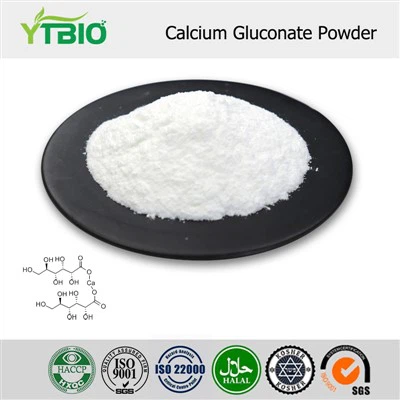
First, it’s important to cut through the noise around supplement regulation. In the United States, the FDA doesn’t approve supplements or their raw materials before they hit the market, which is a point of confusion for a lot of people. That responsibility falls to the supplement brand, but as a raw material supplier, we act as an extra layer of accountability. We don’t just source ingredients from the cheapest bidder—we vet every step of the supply chain, starting with the farm or lab that grows or synthesizes the core raw material. For botanicals like turmeric powder or ashwagandha extract, that means auditing growing facilities for pesticide residues, heavy metal contamination (like lead, arsenic, or mercury, which are common in soil but dangerous in high enough doses), and even cross-contamination from other crops. For synthetic ingredients like vitamin D3 or omega-3 fatty acids, we test for residual solvents from manufacturing processes and ensure the purity matches the specifications we share with our clients.
The first core safety standard we adhere to is current Good Manufacturing Practices, or cGMP. I’ve been in this industry for 12 years, and I can’t stress how non-negotiable cGMP is. The FDA enforces cGMP for supplement manufacturers and raw material suppliers, but not everyone takes it seriously. For us, cGMP isn’t just a set of rules about record-keeping—it’s how we ensure that every batch of raw material we ship is identical to the last. For example, if we produce a batch of zinc gluconate, cGMP requires us to track every ingredient that goes into that batch, from the zinc ore we source to the acid used to process it. We have to keep detailed logs of every test run, every temperature reading in our storage facilities, and every employee who handles the material. That way, if a customer ever has a question about a batch, we can pull up the full history in 10 minutes, no guesswork. We also maintain a separate quarantine zone for every incoming raw material until it’s tested and approved—nothing leaves our facility until our quality control (QC) team signs off on it.
Next, there’s purity and identity testing, which is where a lot of bad actors cut corners. Let’s talk about a common example: turmeric. You’d think turmeric is turmeric, but you’d be wrong. A few years ago, there was a scandal where some supplement brands were selling turmeric laced with lead chromate, a yellow pigment that’s way cheaper than curcumin, the active compound in turmeric. Lead chromate is toxic, and it doesn’t show up on standard tests for curcumin content. That’s why we use high-performance liquid chromatography (HPLC) and mass spectrometry (MS) to test every botanical raw material for identity and purity. For turmeric, HPLC confirms that the curcumin levels are exactly what’s listed on the certificate of analysis (COA), and MS checks for heavy metals and adulterants like lead chromate. For synthetic vitamins, we test for things like residual monomer levels (for ingredients like polymer-based vitamins) to make sure there’s no leftover unreacted chemical that could be harmful. We also test for microbial contamination—things like E. coli, salmonella, and mold, which are big risks for raw materials derived from plants or microbial fermentation. Last year, we rejected a batch of elderberry extract because our test found high levels of yeast and mold; even though it met the basic specification for elderberry, we knew it would shorten the shelf life of the final supplement and potentially make customers sick.
Another key standard is heavy metal testing, which is especially important for botanicals, minerals, and marine-derived ingredients like krill oil or spirulina. The FDA has set action levels for heavy metals in supplements—for example, lead can’t be more than 0.5 mcg per daily serving, and arsenic can’t be more than 10 mcg per serving. But we go even beyond those action levels, because we know that some customers are more sensitive to heavy metals than others. For every batch, we test for lead, arsenic, cadmium, and mercury using inductively coupled plasma mass spectrometry (ICP-MS), which is the most sensitive test available. I remember a case a couple years ago where a supplier sent us a batch of spirulina that met the FDA’s arsenic action level, but was still 15% over what we consider safe. We rejected that batch, even though our procurement team was pushing back because it was a good price. At the end of the day, if we ship a raw material that leads to a product recall, that’s bad for everyone—our client, and us. We’d rather pass on a good deal than risk our reputation or someone’s health.
We also pay close attention to botanical-specific standards, especially for adaptogens and herbal extracts that are processed with solvents. Solvents like hexane or ethanol are used to extract active compounds from plants, but residual solvent levels have to be kept below safe limits set by the International Council for Harmonisation (ICH) of Technical Requirements for Pharmaceuticals for Human Use. For example, hexane residual levels can’t be more than 290 ppm in food or supplement ingredients. We test for residual solvents using gas chromatography (GC), and we only work with suppliers that use food-grade solvents and have systems in place to remove leftover solvent before the material reaches us. For organic raw materials, we also require third-party certification from organizations like the USDA Organic or Euro Organic, which means the ingredients were grown without synthetic pesticides, GMOs, or sewage sludge. Third-party certification is non-negotiable for organic materials because it’s an extra layer of verification—we can’t just take a supplier’s word for it that their turmeric is organic; an independent auditor has to go to the farm, check the soil, and verify the growing practices.
Then there’s GMO testing, which is a big concern for many consumers. If we’re supplying a raw material that could be genetically modified—like soy lecithin, vitamin E from soy, or corn-based stevia—we test for the presence of GMO DNA using polymerase chain reaction (PCR) testing. For non-GMO raw materials, we aim for less than 0.9% GMO content, which is the threshold set by the EU for products labeled non-GMO. We also work with clients who need kosher or halal certified raw materials, and for those, we follow the specific guidelines set by the respective certifying organizations. For kosher materials, that means ensuring that the raw material wasn’t processed with any non-kosher ingredients, and that the equipment used to process it was properly cleaned between batches of kosher and non-kosher products. It’s a lot of extra work, but it’s important to our clients and the customers they serve.
One thing a lot of people don’t realize is that safety standards aren’t static. They evolve as new research comes out, and as we learn more about how certain ingredients affect the body. For example, a few years ago, the FDA issued a warning about high levels of lead in certain liquid supplements for children, which led us to update our testing requirements for all liquid raw materials. We also work closely with our clients and industry groups to stay ahead of emerging issues. Last year, we joined a supplement industry association that tracks new research on raw material safety, so when a new study comes out about a potential risk in a common ingredient, we can adjust our testing protocols immediately. That’s why it’s not just about following existing standards—it’s about being proactive and anticipating future needs.
As a raw material supplier, we also understand that traceability is a key part of safety. We can’t just say our ingredients are safe; we have to prove it. That’s why every batch we ship comes with a full COA that lists every test we did, every result, and the specifications we met. We also maintain a full traceability system that lets us track every raw material back to its source. For example, if a client has a question about a batch of ashwagandha extract, we can tell them exactly which farm the ashwagandha was grown on, when it was harvested, which processing facility handled it, and every test we did at our warehouse. That level of transparency builds trust, and it’s something we take very seriously.
I know that as a supplement raw material supplier, we have a responsibility that goes beyond making a profit. We’re part of a supply chain that touches people’s health, and that’s a big responsibility. There are a lot of cut-rate suppliers out there that skip testing, source from unvetted farms, and use adulterated ingredients to keep prices low. But that’s not who we are. We invest in the best testing equipment, we audit every supplier, and we make safety our top priority. Because at the end of the day, when a customer takes a supplement, they’re trusting that it’s not just effective—it’s safe. And we want to be the supplier that our clients can count on to deliver that peace of mind.

If you’re a supplement brand owner looking for a raw material supplier that prioritizes safety, transparency, and quality, I’d love to connect. We work with brands of all sizes, from small start-ups to large national companies, and we can help you find the right raw materials for your products while meeting all your safety and regulatory requirements. Whether you need a simple mineral like magnesium citrate or a complex botanical extract like ashwagandha root powder, we have the testing, traceability, and experience to ensure you get a product that meets the highest standards. Don’t settle for a supplier that cuts corners—reach out to us today to discuss your raw material needs.
Organic Fruit Powder References
- U.S. Food and Drug Administration (FDA). (2023). Dietary Supplements: What You Need to Know.
- International Council for Harmonisation of Technical Requirements for Pharmaceuticals for Human Use (ICH). (2022). Q3C(R8): Impurities: Guideline for Residual Solvents.
- U.S. Department of Agriculture (USDA). (2024). Organic Certification Requirements.
- Dietary Supplement GMPs, 21 CFR Part 111. (2023). U.S. Government Publishing Office.
- World Health Organization (WHO). (2021). Guidelines for the Assessment of Herbal Medicines.
- Food and Agriculture Organization (FAO). (2022). Heavy Metals in Food and Feed: Risk Assessment and Management.
- European Food Safety Authority (EFSA). (2023). Scientific Opinion on GMO Traceability and Labelling.
- National Center for Complementary and Integrative Health (NCCIH). (2024). Herbs and Other Natural Products: Safety Considerations.
- Journal of Dietary Supplements. (2022). Adulteration of Botanical Dietary Supplements: A Systematic Review.
- U.S. Pharmacopeia (USP). (2023). Dietary Supplement Verification Program.
Shaanxi Yuantai Biological Technology Co., Ltd.
Shaanxi Yuantai Biological Technology Co., Ltd. is one of the most professional supplements raw materials manufacturers and suppliers in China, specialized in providing natural plant extracts with competitive price. We warmly welcome you to buy or wholesale bulk supplements raw materials for sale here from our factory.
Address: NO.1 Plant, China Fnzyme Industrial Park, Economic Development Zone, Weinan City, Shaanxi, China
E-mail: sales@sxytbio.com
WebSite: https://www.sxytbio.com/
