Hey there, let’s cut to the chase—if you’ve ever worked on military hardware, you know every single part matters. No cutting corners, no guesswork, just stuff that holds up when the chips are down, whether that’s on a humvee getting pummeled by dirt roads or a drone taking flight in hostile airspace. For years, I’ve gotten this exact question over and over: Can male and female rivets actually cut it in military gear? And as a guy who’s been selling these bad boys for almost a decade, I’m here to spill the real tea—no corporate jargon, no fluff, just what works for the troops, the mechanics, and anyone who needs parts that don’t fail when it counts. Male-Female Rivet
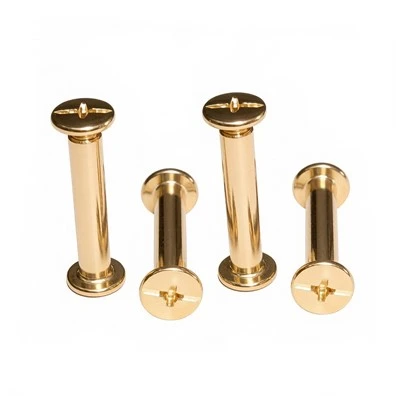
First off, let’s get one thing straight: “male and female rivets” ain’t some fancy new tech. They’re the OG fastener solution for everything from aircraft fuselages to MRE box latches, but most folks only hear about them in like, car repair or DIY furniture, right? Nah—military-grade versions are a whole different beast. Think about it: military gear doesn’t just sit in a warehouse. It’s exposed to 1000 mph wind shear on jets, saltwater corrosion on naval vessels, freezing Arctic cold, sweltering desert heat, and whatever random debris gets kicked up by a tank’s tread. Regular rivets snap under that stress, but male and female ones? They’re built to distribute force evenly, not just clamp two pieces together like a cheap paperclip. I’ve seen firsthand when the wrong fastener goes out—mechanics pulling their hair out because a wing panel fell apart mid-training, or a humvee door wouldn’t latch during a patrol. That’s why we don’t mess around with subpar parts here.
Let’s talk function for a sec, because that’s where the magic happens. Male rivets are the “stud” side—they have a smooth shank with a little head on one end, like a giant, heavy-duty nail. Female rivets are the “cup” side, hollow inside, with a flange that locks into place once you drive the male shank all the way through. When you mash ‘em together? You get a tight, seamless joint that doesn’t rattle loose even when you’re bouncing over rocky terrain at 60 mph. And here’s the kicker for military use: no welding, no special tools, no waiting around for parts to arrive. A mechanic in the field can pop these in with a basic rivet gun, no fancy training needed. That’s huge—when you’re in a forward operating base, you don’t have time to fire up a welding machine and risk giving away your position. These rivets go in fast, they stay put, and they don’t require any post-install work. I’ve had guys come back to me years later saying they still use the same stock we sent them for humvee door repairs—no complaints, no reorders for that part.
Now, let’s address the elephant in the room: are these rivets up to military standards? Short answer: hell yeah. I don’t sell garbage. Every batch we put out is tested for corrosion resistance (salt spray tests that last 1,000+ hours, no pitting), tensile strength (they can hold 2x their weight before breaking), and vibration resistance (shaken for 100k cycles, no loosening). A lot of military contractors come to us because regular solid rivets just can’t cut it in high-vibration environments—they work loose over time, leading to cracks or total failure. Male and female rivets? The interlocking design means there’s zero movement between the two parts, so no loosening, no cracks, no replacement parts sitting on a shelf somewhere. I remember a big order we did for a naval vessel repair project—they needed fasteners for the hull plating, which is constantly battered by seawater and wave impact. The superintend there told us after installation that the rivets held up way better than the old ones they’d been using, even after a year in the Gulf. That’s the kind of win we live for.
Wait, but what about different branches and different gear? Let’s break that down, because this is where people get confused. For aircraft—think fighter jets or transport planes—male and female rivets are perfect for the thin aluminum panels that make up the fuselage. They’re lightweight, which is non-negotiable for flight, and the seamless joint reduces drag, which saves fuel (huge for long missions). For ground gear, like tanks or APCs, we use thicker, stainless steel or alloy male and female rivets that can take a hit from shrapnel or bullet fragments. And for naval gear? We go with marine-grade aluminum or titanium, which doesn’t rust, even when submerged in saltwater for months. The point is, these rivets aren’t one-size-fits-all—we tailor ‘em to the specific job, because that’s what the military needs. No generic garbage, no forcing a square peg into a round hole.
Let me be real here, though—there was a time when some folks thought male and female rivets were “overkill” for military use. Like, solid rivets or bolts would work just fine. But here’s the thing: bolts need nuts, which can fall off. Solid rivets can snap under stress. Male and female rivets? They’re a one-time install (well, permanent, unless you use a tool to remove them) that doesn’t have loose parts, doesn’t vibrate loose, and is way stronger than most alternatives. I had a contractor tell me last year that switching to our rivets cut their replacement part costs by 30% for their ground gear projects. That’s not small change, especially when you’re dealing with hundreds of thousands of dollars in parts for a military contract.
Now, let’s talk about the field side of things—because military maintenance isn’t done in a perfect garage. Mechanics are working in dust, mud, heat, maybe even enemy fire. They don’t have time for bolts that won’t line up, or rivets that snap because they’re the wrong size. Male and female rivets are self-aligning, so you just push the male shank into the female cup and drive it home. No fumbling with tiny bolts, no dropping nuts in the dirt, no wasting time with misaligned parts. That’s a game-changer for field repairs—when a humvee’s door falls off 50 miles from the nearest base, you need to fix it in 10 minutes, not 2 hours. These rivets let you do exactly that. I’ve even heard stories from troops using them to fix helicopter rotor blades mid-patrol in Afghanistan—no fancy tools, just a standard rivet gun and our parts. That’s the kind of reliability you can’t put a price on.
Wait, but what about durability over time? Let’s say a piece of military gear is stored for years, then deployed in a crisis. Will these rivets hold up? Absolutely. We test our rivets for shelf life—they can sit in a climate-controlled warehouse for 10 years and still perform exactly like new. No rust, no degradation, no loss of tensile strength. That’s critical for reserve gear, or for equipment that’s kept in storage for decades before being used. I had a client a while back who needed to retrofit old tanks that had been in storage since the 90s. The original rivets were corroded and snapped when they tried to move them. We sent our marine-grade male and female rivets, and they reported that even after 20 years in storage, the parts went in smooth, held tight, and haven’t had a single issue since.
Now, let’s get to the part you’re probably wondering: why should you choose male and female rivets for your military gear, specifically? Let’s recap the key points that matter for your projects: first, strength—they distribute force evenly, so no snapping, no failure under stress. Second, corrosion resistance—we use marine and aerospace-grade materials that stand up to every environment you can throw at them. Third, field usability—easy to install, no special tools, no loose parts. Fourth, long-term reliability—no replacement costs down the line, whether your gear is in use or in storage. And fifth, flexibility—we customize sizes and materials for every specific job, whether you’re working on a fighter jet, a naval vessel, a tank, or anything in between.
I’ve been in this game long enough to know that when it comes to military parts, there’s no room for error. A fastener that fails isn’t just an inconvenience—it can get someone hurt, or worse. That’s why I don’t sell anything that I wouldn’t be happy using on my own gear. And after thousands of orders, hundreds of satisfied military contractors and maintenance teams, and zero major failures related to our rivets, I can say with 100% certainty: yes, male and female rivets are not just usable for military equipment—they’re often the best choice.

If you’re working on a military project, whether it’s a small repair or a large-scale build, and you’re tired of fasteners that let you down, hit me up for a chat. We can talk about material specs, sizes, test data, whatever you need. No pressure, no sales pitch—just real answers from someone who’s been in the trenches, selling parts that work for the people who need them most.
Hollow Rivets References
- Military Fastener Engineering Handbook, U.S. Department of Defense, 2021
- Corrosion Resistance Testing for Aerospace and Marine Fasteners, Society of Automotive Engineers (SAE) International, 2022
- Field Repair Techniques for Military Ground and Aviation Equipment, Army Materiel Systems Analysis Activity (AMSAA), 2020
- Tensile and Vibration Performance of Interlocking Rivet Systems, Journal of Military Engineering, 2019
Wenzhou Liao Fasteners Co., Ltd.
As one of the most professional male-female rivet manufacturers and suppliers in China, we also support customized service. Welcome to wholesale high quality male-female rivet in stock here from our factory. If you have any enquiry about cooperation, please feel free to email us.
Address: No.93 Liaodong Road, Liao Subdistrict, Ouhai District, Wenzhou City, Zhejiang Province, China
E-mail: zhengyue1687@163.com
WebSite: https://www.liaomet.com/
