In the world of furniture manufacturing and interior decoration, edge banding plays a crucial role in enhancing the appearance and durability of various products. As an edge banding supplier, I’ve witnessed firsthand the diverse needs of our clients and the importance of choosing the right edge banding material. Two of the most commonly used materials in the market are PVC (Polyvinyl Chloride) and wood edge banding. Each has its own unique characteristics, advantages, and disadvantages. In this blog post, I’ll delve into the differences between PVC and wood edge banding to help you make an informed decision for your next project. Edge Banding
Material Composition and Appearance
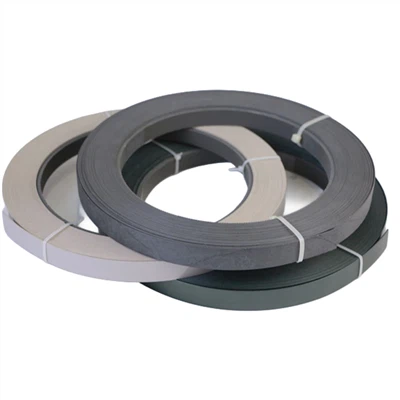
PVC edge banding is made from a synthetic plastic polymer called polyvinyl chloride. This material is highly versatile and can be manufactured in a wide range of colors, patterns, and textures. It can mimic the look of wood, stone, or other natural materials, providing a cost – effective alternative to more expensive options. PVC edge banding often has a smooth and consistent surface finish, which gives furniture a modern and clean appearance.
On the other hand, wood edge banding is made from real wood. It can be sourced from different types of trees such as oak, maple, cherry, or walnut. Each wood species has its own distinct grain pattern, color, and texture, which adds a natural and warm aesthetic to furniture. Wood edge banding provides a sense of authenticity and luxury that is hard to replicate with synthetic materials. However, the natural variations in wood can also lead to some inconsistencies in color and grain, which may be either a desired feature for a more rustic look or a drawback for those seeking a more uniform appearance.
Durability and Resistance
When it comes to durability, both PVC and wood edge banding have their own strengths and weaknesses. PVC edge banding is highly resistant to moisture, scratches, and chemicals. It is an excellent choice for environments where furniture may be exposed to water, such as kitchens and bathrooms. PVC is also less likely to warp or crack compared to wood, making it a reliable option for long – term use.
Wood edge banding, while beautiful, is more vulnerable to environmental factors. It can absorb moisture, which may cause it to swell, warp, or develop mold if not properly sealed. Wood is also more prone to scratches and dents, especially in high – traffic areas. However, with proper maintenance and care, such as regular sealing and polishing, wood edge banding can last a long time and develop a beautiful patina over the years.
Installation Process
The installation process for PVC and wood edge banding also differs. PVC edge banding is relatively easy to install. It can be applied using hot – melt glue, which creates a strong bond quickly. The soft and flexible nature of PVC allows it to conform easily to the edges of furniture, even on curved or irregular shapes. This makes it a popular choice for DIY projects as well as large – scale furniture production.
Wood edge banding, on the other hand, requires more skill and precision to install. It is often glued using wood glue, which requires clamping and a longer drying time. Wood edge banding may also need to be sanded and finished after installation to ensure a smooth and seamless look. The installation process can be more time – consuming and labor – intensive, especially when dealing with complex shapes or joints.
Cost
Cost is an important consideration for many furniture manufacturers and consumers. PVC edge banding is generally more affordable than wood edge banding. The synthetic nature of PVC allows for mass production at a lower cost, making it a budget – friendly option for those looking to save money without sacrificing too much on appearance.
Wood edge banding, especially if made from high – quality or rare wood species, can be significantly more expensive. The cost of sourcing, processing, and finishing real wood adds to the overall price. However, for projects where the natural look and feel of wood are essential, the higher cost may be justified.
Environmental Impact
In today’s environmentally conscious world, the environmental impact of materials is an important factor to consider. PVC is a synthetic material that is derived from petroleum, a non – renewable resource. The production of PVC also involves the use of various chemicals, some of which may be harmful to the environment. Recycling PVC can be challenging, and when disposed of in landfills, it may take a long time to decompose.
Wood, on the other hand, is a renewable resource if sourced from sustainably managed forests. Wood edge banding has a lower carbon footprint compared to PVC, as trees absorb carbon dioxide during their growth. Additionally, wood is biodegradable, which means it can break down naturally over time. By choosing wood edge banding from certified sustainable sources, consumers can contribute to the protection of the environment.
Applications
The choice between PVC and wood edge banding also depends on the specific application. PVC edge banding is widely used in modern furniture, especially in the manufacture of kitchen cabinets, office furniture, and bathroom vanities. Its durability, affordability, and wide range of colors make it suitable for mass – produced furniture.
Wood edge banding is often preferred for high – end furniture, custom – made pieces, and traditional or rustic – style interiors. It is commonly used in furniture such as dining tables, bedroom sets, and antique – style cabinets, where the natural beauty of wood can enhance the overall aesthetic appeal.
Conclusion
In conclusion, both PVC and wood edge banding have their own unique characteristics, and the choice between the two depends on a variety of factors, including appearance, durability, installation, cost, environmental impact, and application. As an edge banding supplier, I understand that each project has its own specific requirements, and I’m here to help you find the perfect fit.

If you’re looking for a cost – effective, durable, and versatile option with a wide range of color choices, PVC edge banding may be the right choice for you. On the other hand, if you value the natural beauty, authenticity, and luxury of real wood and are willing to invest in a higher – quality product, wood edge banding could be the better option.
Edge Banding Whether you’re a furniture manufacturer, an interior designer, or a DIY enthusiast, I encourage you to reach out to us to discuss your edge banding needs. We have a team of experts who can provide you with detailed information, samples, and guidance to ensure that you make the best decision for your project. Let’s work together to create beautiful and functional furniture that meets your expectations.
References
- "The Encyclopedia of Wood Products." Timber Press, 2018.
- "Polyvinyl Chloride (PVC): A Comprehensive Guide." Chemical Industry Publishing, 2019.
- "Furniture Manufacturing Techniques." Woodworking Institute Press, 2020.
Yitai Yijia New Material Technology Co., Ltd.
As one of the leading edge banding manufacturers and suppliers in China, we also support customized service. Welcome to wholesale bulk high quality edge banding in stock here from our factory. If you have any enquiry about quotation, please feel free to email us.
Address: No. 55 Qiangyuan Road, Shuanglin Industrial Park, Shuanglin Town, Nanxun District, Huzhou City, Zhejiang Province, China
E-mail: 932788096@qq.com
WebSite: https://www.yitaiyijia.com/
