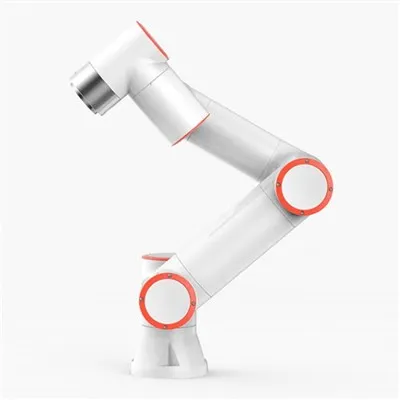
Hey there! I’m a supplier in the robot system business, and let me tell you, developing a robot system is no walk in the park. There are tons of challenges that we face every day, and I thought I’d share some of them with you. Robot System
Technical Challenges
Hardware Design and Integration
One of the first challenges is designing the hardware. You’ve got to make sure that all the components work together seamlessly. For example, the motors need to be powerful enough to move the robot, but they also have to be energy – efficient. If the motors draw too much power, the robot’s battery life will be short, and that’s a big no – no.
We also have to deal with the sensors. Sensors are like the robot’s eyes and ears. They help the robot understand its environment. But getting the right sensors and integrating them into the system can be a real pain. Different sensors have different data outputs, and we need to make sure that the robot’s control system can process all this data correctly.
And then there’s the issue of miniaturization. In many cases, we want the robot to be as small as possible. But shrinking the hardware while maintaining its performance is extremely difficult. You’ve got to find ways to pack all the components into a small space without sacrificing functionality.
Software Development
The software is the brain of the robot. Developing software for a robot system is a complex task. First of all, we need to write algorithms that allow the robot to move, sense its environment, and make decisions. These algorithms have to be robust and reliable.
For example, in a navigation algorithm, the robot needs to be able to find its way around obstacles. It has to calculate the shortest path to its destination, and it has to do this in real – time. If the algorithm is too slow, the robot might crash into things.
Another challenge in software development is dealing with different programming languages. There are so many programming languages out there, and each has its own strengths and weaknesses. We need to choose the right language for the job, and sometimes, we even have to use multiple languages in a single project.
And let’s not forget about software updates. Once the robot is out in the market, we need to be able to update its software to fix bugs, add new features, or improve performance. But doing this remotely and securely is not easy.
Cost – related Challenges
Component Costs
The cost of components is a major challenge. High – quality motors, sensors, and processors can be really expensive. And when you’re developing a robot system, you need the best components to ensure its performance.
For example, a high – precision laser sensor can cost a fortune. But if you use a cheaper sensor, the robot’s ability to sense its environment might be compromised. We always have to find a balance between cost and quality.
R & D Costs
Research and development is another area where costs can add up quickly. Developing a new robot system requires a lot of time and resources. We need to hire engineers, buy equipment, and conduct experiments.
And the R & D process is not always successful. Sometimes, we spend months or even years on a project, only to find out that it doesn’t work as expected. This means that we’ve wasted a lot of money and time.
Manufacturing Costs
Once the robot system is developed, we need to manufacture it. Manufacturing costs can be high, especially if we’re producing a small number of units. We need to set up a production line, train workers, and source raw materials.
And there are also quality control issues. We need to make sure that every robot that comes off the production line meets our standards. This requires additional resources and can increase the manufacturing cost.
Ethical and Legal Challenges
Safety Concerns
Safety is a top priority when it comes to robot systems. Robots can be dangerous if they malfunction. For example, a industrial robot might accidentally injure a worker if its safety mechanisms fail.
We need to design the robot system with safety in mind. This means adding redundant safety features, such as emergency stop buttons and collision sensors. But ensuring the safety of the robot is not just about the hardware. We also need to write software that can detect and prevent dangerous situations.
Privacy Issues
Robots with sensors can collect a lot of data about their environment and the people around them. This raises privacy concerns. For example, a robot with a camera might capture images of people without their consent.
We need to make sure that the robot system respects people’s privacy. This means implementing strict data protection policies and ensuring that the data collected by the robot is used only for its intended purpose.
Liability Issues
In case of an accident or malfunction, it’s not always clear who is liable. Is it the manufacturer, the user, or the software developer? These liability issues can be complex and can lead to legal disputes.
We need to work with lawyers to clarify the liability issues and make sure that we’re protected. This might involve writing clear terms and conditions and obtaining insurance.
Market – related Challenges
Competition
The robot system market is highly competitive. There are many other suppliers out there, and they’re all trying to sell their products. We need to differentiate our robot system from the competition.
This means offering unique features, better performance, or lower prices. But it’s not easy to do this. We need to constantly innovate and improve our products to stay ahead of the competition.
Customer Education
Many customers are not familiar with robot systems. They might not understand how the robot works, what its capabilities are, or how it can benefit them.
We need to educate our customers about our products. This might involve giving demonstrations, providing training, or writing user manuals. But customer education takes time and resources, and it can be a challenge to reach all our potential customers.
Market Demand
The market demand for robot systems can be unpredictable. Sometimes, there’s a high demand for a certain type of robot, and other times, the demand drops.
We need to be able to anticipate market trends and adjust our production accordingly. This requires market research and analysis, but even then, it’s not always easy to predict the future.
Conclusion

Developing a robot system is a challenging but rewarding process. We face technical, cost – related, ethical, legal, and market – related challenges every day. But despite these challenges, we’re committed to developing high – quality robot systems that can make a difference in people’s lives.
Collaborative Palletizing Robot If you’re interested in purchasing a robot system for your business or project, we’d love to have a chat with you. We can discuss your specific needs and see how our products can meet them. Don’t hesitate to reach out and start a conversation about procurement.
References
- Jones, A. (2020). "The Technical Challenges in Robot System Development". Robotics Journal.
- Smith, B. (2019). "Cost – Effective Robot System Manufacturing". Manufacturing Review.
- Brown, C. (2021). "Ethical and Legal Issues in Robot Systems". Law and Technology Magazine.
Xinweilai Intelligent Technology (Shandong) Co., Ltd.
As one of the most professional robot system manufacturers and suppliers in China, we’re featured by quality products and good service. Please rest assured to wholesale bulk customized robot system from our factory. For pricelist and quotation, contact us now.
Address: Jinghua Road, Economic and Technical Development Zone, Dezhou City, Shandong Province
E-mail: liujiqing@xinweilaiznkj.com
WebSite: https://www.xinweilaiznkj.com/
