Can non – magnetic drill rods be used in the drilling of radioactive materials (if any safety – compliant scenario)?
As a supplier of non – magnetic drill rods, I often encounter various inquiries from clients in different industries. One question that has intrigued me recently is whether non – magnetic drill rods can be used in the drilling of radioactive materials under safety – compliant scenarios. In this blog, I will explore the technical, safety, and practical aspects related to this question. Non-Magnetic Drill Rods

Technical Feasibility
Non – magnetic drill rods are typically made from materials such as stainless steel alloys or certain composites. These materials are chosen for their low magnetic permeability, which is crucial in applications where magnetic interference needs to be minimized, such as in directional drilling.
Radioactive materials, on the other hand, present a unique set of challenges. The drilling process involves high mechanical stress, heat generation, and potential exposure to radiation. The non – magnetic drill rods’ mechanical properties need to be carefully considered. For example, they must have sufficient strength and toughness to withstand the forces exerted during drilling. The materials we supply are engineered to have high tensile and yield strengths, which are essential for drilling in hard and abrasive formations that may be associated with radioactive ore deposits.
In addition, non – magnetic drill rods need to have good corrosion resistance. Radioactive materials may be found in environments with high humidity, acidic or alkaline conditions. Our non – magnetic drill rods are treated with special coatings and surface treatments to enhance their resistance to corrosion, ensuring a longer service life even in harsh environments.
Moreover, the thermal properties of non – magnetic drill rods are also important. Drilling generates heat, and excessive heat can cause the drill rods to lose their mechanical properties. Our products are designed to have good thermal conductivity and heat resistance, which helps to dissipate heat effectively during the drilling process.
Safety Considerations
Safety is of utmost importance when dealing with radioactive materials. Non – magnetic drill rods can play a role in ensuring safety in several ways. Firstly, their non – magnetic nature reduces the risk of attracting radioactive particles that may be magnetic. This helps to prevent the accumulation of radioactive materials on the drill rods, which could pose a radiation hazard to the drilling personnel.
Secondly, the design of non – magnetic drill rods can incorporate safety features. For example, they can be equipped with special connectors that are easy to assemble and disassemble, reducing the time that workers are exposed to the drilling site. These connectors are also designed to be secure, preventing accidental disconnection during the drilling process, which could lead to spills of radioactive materials.
Another safety aspect is the ability to monitor the condition of the drill rods. Our non – magnetic drill rods can be integrated with sensors that can detect changes in stress, temperature, and other parameters. This real – time monitoring allows for early detection of potential problems, such as fatigue or overheating, and enables timely maintenance or replacement of the drill rods.
However, it is important to note that the use of non – magnetic drill rods in radioactive material drilling must comply with strict safety regulations. These regulations cover aspects such as radiation protection, waste management, and worker safety. Before using our non – magnetic drill rods in such applications, clients must ensure that they have obtained the necessary permits and approvals and that their drilling operations meet all the relevant safety standards.
Practical Applications
There are several potential practical applications where non – magnetic drill rods can be used in the drilling of radioactive materials. One such application is in the exploration and extraction of uranium ore. Uranium is a radioactive element that is widely used in nuclear power generation. In uranium exploration, directional drilling is often required to accurately locate and extract the ore. Non – magnetic drill rods are essential in this process as they allow for precise measurement of the drilling direction using magnetometers, without being affected by the magnetic field of the rods themselves.
Another application is in the decommissioning of nuclear facilities. During the decommissioning process, it is necessary to drill through concrete and other materials that may be contaminated with radioactive substances. Non – magnetic drill rods can be used in this situation to minimize the risk of magnetic interference and to ensure the safety of the workers involved in the drilling operations.
Case Studies and Industry Experience
Although the use of non – magnetic drill rods in radioactive material drilling is a relatively specialized area, there are some case studies and industry experience that can provide valuable insights. In some uranium mining projects, non – magnetic drill rods have been successfully used to improve the accuracy of directional drilling and to reduce the risk of radiation exposure. These projects have demonstrated that with proper planning, safety measures, and the use of high – quality non – magnetic drill rods, it is possible to carry out drilling operations in radioactive environments safely and efficiently.
Conclusion
In conclusion, non – magnetic drill rods can be used in the drilling of radioactive materials under safety – compliant scenarios. Their technical properties, such as low magnetic permeability, high strength, corrosion resistance, and good thermal properties, make them suitable for the challenges posed by radioactive material drilling. Moreover, they can contribute to the safety of the drilling operations by reducing the risk of magnetic attraction of radioactive particles and by incorporating safety features.
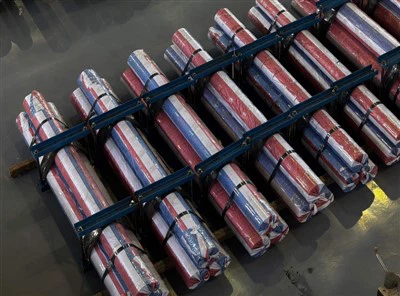
However, the use of non – magnetic drill rods in this context requires strict compliance with safety regulations and careful planning. Clients who are interested in using our non – magnetic drill rods for radioactive material drilling should contact us for more information. We have a team of experts who can provide technical support, safety guidance, and customized solutions based on the specific requirements of your project. Whether you are involved in uranium exploration, nuclear decommissioning, or other radioactive material drilling applications, we are committed to helping you achieve safe and efficient drilling operations.
Non-Magnetic Tools for Coal If you are interested in discussing your drilling needs further or exploring potential partnerships, please do not hesitate to reach out to us. We look forward to the opportunity to work with you and contribute to the success of your projects.
References
- R. A. Day, "Drilling Engineering Handbook", Gulf Publishing Company.
- International Atomic Energy Agency (IAEA), "Safety Standards for Radiation Protection and Transport of Radioactive Materials".
- Technical reports on non – magnetic drill rod materials and applications from leading industry research institutions.
Shanxi Zhonghe Non-Magnetic Drill Tool Co., Ltd.
Address: No.168 Fenglei Street, Houma City, Linfen City, Shanxi Province, China.
E-mail: lucy@nmdrillcollar.com
WebSite: https://www.zhnmdc.com/
