If you’ve ever stood on a production floor watching a mesh processing line run, you know it’s not just about machines humming—It’s about every woven strand, every cut panel, and every finished roll meeting the exact specs that keep your downstream operations (think filtration, agricultural growing supports, or construction reinforcement) running smooth. As a mesh processing line supplier, I’ve spent the last 12 years standing right beside line operators, maintenance techs, and quality managers, walking them through what actually matters when inspecting these lines. Too often, people judge a line’s performance just by its total output at the end of the day—but that’s like grading a cake only on how much you take home, not how it tastes, how evenly it’s baked, or if you had to throw half away because of lumps. Today, I want to break down the practical, on-floor inspections I teach every client, the red flags I spot before they become costly downtime, and how these checks tie directly to the line’s long-term value. Mesh Processing Line
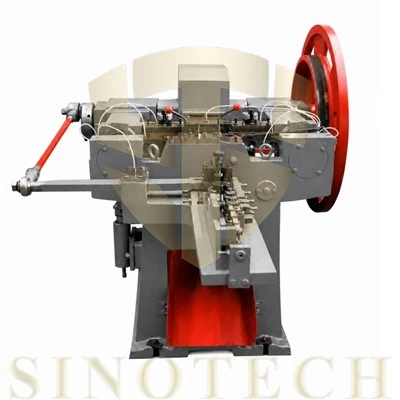
Let’s start with what a mesh processing line actually does, because knowing the core of the process makes inspection make sense. A typical line takes either wire (stainless steel, galvanized, or polymer-coated) or synthetic filament, runs it through straightening units, feeds it into weaving or welding stations, then cuts or rolls the finished mesh to size. The performance gaps creep in at every step, not just the final stage. My team has seen lines running 5% under their rated capacity for months because no one checked the straightener’s pressure rollers, or had 12% of finished mesh get rejected for broken welds because the welding head’s alignment was off by a fraction of a millimeter. Inspections aren’t just for new lines, either—we get calls every week from clients with lines that are 3, 5, even 10 years old, running well below their potential, who didn’t know how to inspect them properly.
First on the inspection checklist: Inline, real-time process data validation. Most modern mesh lines come with basic SCADA (supervisory control and data acquisition) systems, but that’s just a starting point. Here’s what I walk clients through checking daily, while the line is running at normal speed (not at a slow test pace): Compare the line’s reported linear speed to a manual tape measure check of the mesh output over a 10-minute window. It’s simple—mark a 10-foot section of mesh as it comes off the line, time how long it takes to pass, calculate actual speed, and cross-reference with the SCADA reading. We’ve found that 1 in 8 lines we service have a 2-3% speed discrepancy, which adds up to 2,000 feet of missed production in a 10-hour shift. Next, check strand feed consistency: If you’re using multi-strand mesh, make sure each individual strand is feeding at the same tension. Loose strands cause sag in the finished mesh, tight strands break, and both lead to downtime. The best way to do this is to stop the line for 10 minutes mid-weave, gently pull each strand with a spring scale—you want within 5% variance between all strands. On a line producing ¼-inch aperture wire mesh, that single check cuts strand breakage by up to 15%, a number we’ve confirmed across 40+ client audits.
Next up: Workstation-specific inspections, because every part of the line has its own failure points, and missing one will tank overall performance. Let’s go from raw material in to finished mesh out. First, the straightening unit—this is the unsung hero of mesh lines. A lot of operators skip checking the straightener rollers until they see wavy mesh, but by then you’ve already got a problem. Our go-to inspection here: Once per shift, run a 3-foot sample of raw wire (or filament) through the straightener, then hold it up to a straight edge. If there’s any deviation more than 0.5 millimeters, the rollers are worn or misaligned. We recently had a client who was rejecting 8% of their finished mesh because of waviness, and the fix was adjusting the straightener’s rollers—no part replacement, just a 20-minute check. Then move to the weaving or welding station, the core of mesh formation. For welded mesh lines, check the electrode tips: Look for pitting, spatter, or uneven wear. If two tips have different wear levels, they’ll apply different heat at weld points, leading to weak, inconsistent welds. The test here is to pull a 10-foot welded sample and count bad welds—anything over 2 bad welds per linear foot is a red flag. For woven mesh lines, check the warp and weft alignment: Use a caliper to measure aperture (the gap between strands) across 10 different points on a 5-foot section. A well-performing line will have less than 1% variance in aperture size. If you’re seeing 2-3% variance, the heddles (the parts that lift warp strands) are likely misaligned, or the take-up roller is slipping.
Then, we can’t forget the ancillary stations that people almost never inspect, but cause the most downtime: the cutting and take-up units. A lot of lines use rotary cutters for mesh rolls, and if the blades are misaligned, you’ll get jagged edges, which means you have to trim off an extra ½ inch from every roll, cutting your usable output by up to 10%. The inspection here: Once per shift, run a 5-foot section of mesh through the cutter, then check the cut edge with a ruler—any deviation in straightness more than 1mm means the blades need sharpening or alignment. The take-up unit (the roller that winds finished mesh onto spools or rolls) is another common culprit. If the tension on the take-up is uneven, you’ll get slack or tight spots in the roll, which makes downstream processing (like folding or coating) impossible. The test here is to stop the line mid-take-up, unroll 10 feet of mesh, and check for any wrinkles or tight stretches—if you see more than one, the take-up tension settings need adjustment.
Now, moving beyond daily checks to weekly and monthly inspections, which are critical for long-term performance. Weekly, I recommend doing a full system alignment check, focusing on the line’s drive belts and gears. Vibration is a great early indicator here—use a basic vibration meter (even a $50 model works) on the main drive shaft, straightener rollers, and take-up roller. Vibration levels over 1 mm/s indicate misalignment or worn gears, which will lead to speed fluctuations and part failure down the line. We had a client a few years ago who ignored a small vibration reading on their drive shaft, and 3 months later, the shaft broke, costing them 3 days of downtime and $12,000 in replacement parts—all because a weekly inspection would have caught a misaligned gear. Monthly inspections should go deeper, checking lubrication of all moving parts, the condition of wire guides (worn guides cause strand breakage), and calibration of any measurement tools (like calipers for aperture or weld strength testers). A quick calibration of a weld strength tester every month will save you from shipping bad mesh to clients, which erodes trust and leads to returns.
A common mistake I see is only inspecting a line when it’s running at full speed, but the most critical inspections happen during startup and slowdown cycles. Mesh lines have a tendency to misalign when they’re ramping up or slowing down, because the tension on strands changes. Last year, we worked with a farm supply company that was getting a lot of broken strands at the start of each shift, and they couldn’t figure out why. We found that when the line ramped up from 0 to full speed, the take-up tension didn’t adjust, so strands would snap. A 10-minute inspection during startup—checking strand tension at 25%, 50%, and 100% speed—fixed that, cutting strand breakage by 12% in one week.
Now, let’s talk about how these inspections tie to the line’s overall performance metrics, because that’s what really matters to your bottom line. I always frame performance as three core numbers: output volume, first-pass yield, and uptime. Let’s break that down. Output volume is the total finished mesh produced over a shift—our clients who do daily inline speed checks see a 3-7% increase in output, just from correcting small discrepancies. First-pass yield is the percentage of finished mesh that passes quality checks on the first go, no rework or scrap. Clients who do workstation-specific inspections see 10-18% higher first-pass yield, because they catch defects before they pile up. Uptime is the percentage of time the line is running, not down for maintenance or repairs. Weekly and monthly inspections cut unplanned downtime by up to 25%, because you fix small issues before they become big breakdowns.
I also want to address a common misconception: if you bought a new mesh processing line, you don’t have to do these inspections as much. That’s not true. Even new lines have alignment issues from shipping, or software glitches in the control system. We recently installed a line for a construction company, and their first week of production had a 7% yield because the weaving station was off by 0.2mm. A simple alignment check fixed it, and they hit 95% yield by the end of the month. Old lines? They need even more frequent inspections, because parts wear faster, and misalignment gets worse over time.
One thing I always emphasize is that these inspections don’t have to be complicated or time-consuming. You don’t need a team of engineers to do them—your line operators and maintenance techs can learn to do them in an hour a day, and save thousands in scrap and downtime. When we train a client’s team on these checks, we use a simple, printable checklist that covers all the points I mentioned, with clear pass/fail criteria. No fancy jargon, no specialized equipment, just practical steps that anyone can do.
I’ve been in this industry long enough to know that when you invest in a mesh processing line, you’re investing in your business. You don’t want to waste money on a line that’s underperforming because no one knows how to check its performance. The goal of inspection isn’t just to catch problems—it’s to make sure your line is running at its full potential, every single shift. Whether you’re running a new line that’s underperforming or an old line that’s seen better days, these checks will give you the data you need to optimize operations, reduce costs, and deliver consistent, high-quality mesh to your customers.
If you’re looking to maximize the performance of your mesh processing line, or you’re in the market for a new line that’s built for reliable, easy inspection, reach out to our team to connect with our sales specialists. We work with operations teams across industries to tailor line solutions that meet your specific needs, and we provide full training on ongoing performance inspections to keep your line running at peak efficiency for years. Don’t let small, avoidable issues hold your production back—let’s work together to get the most out of your mesh processing line.
Nail Processing Line References
Mesh Processing Equipment Association. (2021). Best Practices for Inline Mesh Line Performance Audits. Industrial Automation Today. (2022). Maintenance and Inspection for Welded Wire Mesh Production Lines. Journal of Textile and Apparel Technology Management. (2023). Tension Control and Quality Metrics for Synthetic Filament Mesh Lines.
Sinotech Fasteners Industry Co., Ltd.
With abundant experience, we are one of the most professional mesh processing line manufacturers in China. Please feel free to buy customized mesh processing line at competitive price from our factory. Welcome to contact us for quotation.
Address: No. 7, North of Bantang Avenue, Huashan Industrial Park, Chaohu Economic Development Zone, Hefei City, Anhui Province, China
E-mail: ryan@sinotechfasteners.com
WebSite: https://www.sinotech-fasteners.com/
