Hey everyone! As someone who’s been working in the coffee carafe game for years—you know, the kind where I help cafes, home baristas, and even big office break rooms keep their joe hot and pourable—let’s be real: most of us don’t think twice about that trusty carafe until it’s dribbling coffee all over the counter or, worse, leaving a weird aftertaste in every cup. I’ve seen hundreds of carafes come through my warehouse, from the chipped glass ones that still “work” because the shop owner can’t bear to replace them to the stainless steel ones that magically stop keeping heat after a few months. Today, I’m breaking down the real, no-BS signs your carafe needs to retire, and why you shouldn’t wait for it to ruin your next batch of coffee. Coffee Carafe

First off, let’s get one thing straight: not all carafes are created equal, and their lifespans depend on what they’re made of, how often they’re used, and how you treat them. Glass carafes, for example, are pretty tough if you don’t drop them, but they scratch way easier than stainless steel. Stainless steel ones? They’re great for heat retention, but if you don’t clean them right, they can get weird, fast. I’ve had customers tell me their carafe is “fine” because it doesn’t leak—trust me, I’ve got a long list of red flags that mean it’s time to swap it out, even if it looks like it’s still doing the job.
Let’s start with the most obvious one that most people overlook: leaks, even small ones. I’m not talking about the time you knocked it off the counter and left a puddle— I’m talking about that slow drip that happens when you go to pour. You know the one: you lift the carafe, tilt it, and instead of a smooth, steady pour, a few drops seep out around the spout or the lid before the coffee even starts flowing. A lot of people blame the lid first, right? They’ll run to the store and buy a new lid, and that works… for a week. Turns out, those tiny leaks aren’t just a bad lid—they’re usually from worn-out rubber gaskets (the little ring inside the lid that seals things) or even a hairline crack in the glass or the base of a stainless steel carafe. Those hairline cracks are super easy to miss, especially in glass—they’re not big enough to see with the naked eye sometimes, but they expand when the carafe heats up, making the leak worse. And yeah, those drips might not seem like a big deal, but if you’re a cafe, that’s wasted coffee every time you pour. For home users, that’s a sticky countertop you have to wipe up every morning. Not to mention, if you have a stainless steel carafe, that leak can let air in, which makes your coffee go cold way faster than it should.
Next up: your coffee tastes… off. Not the “oh I used the wrong roast” off, or the “I forgot to grind the beans fresh” off. I’m talking about that weird, metallic, or stale aftertaste that sticks around no matter what you do. Let’s be real—if you’re cleaning your carafe with dish soap and a sponge, that’s not enough. Over time, oils from coffee beans (called “caffé oils”) build up on the inside of the carafe, even if you rinse it after every use. For glass, that buildup is just discoloration—you’ll see those dark, streaky lines on the inside that you can’t scrub off, no matter how hard you try. For stainless steel, that’s where it gets gross. Stainless steel is porous, so those oils seep into the tiny pores, and over time, they start to oxidize. That oxidation is what gives your coffee that metallic taste. I’ve had customers bring back carafes that were only 6 months old saying their coffee tasted like tin foil, and when I opened them up, the inside was all stained and had that rough, gritty texture you can’t scrub away. Even if you’re using a coffee maker’s self-clean cycle or running it through the dishwasher (wait, speaking of—are you putting your carafe in the dishwasher? A lot of people do, but the high heat can warp plastic lids and wear down stainless steel’s finish, making it easier for buildup to stick). If your coffee tastes off, and you’ve tried deep cleaning it with baking soda, vinegar, whatever, and it still tastes the same? That’s your carafe’s way of saying “I’m done.” It’s not cleaning anymore, and it’s ruining your brew.
Wait, speaking of heat retention—let’s talk about that. A good carafe is supposed to keep your coffee hot for at least 45 minutes, right? Especially if you’re a cafe that’s pulling multiple shots or an office where people take time to chat and refill their mugs. If your coffee is cold by the time you finish pouring the first cup, or it’s lukewarm after 20 minutes, that’s a huge red flag. A lot of people think that’s because their coffee maker is bad, but no—if the maker is heating the water to the right temp and the carafe was keeping heat before, it’s the carafe. For stainless steel carafes, the insulation (the air gap between the inner and outer walls) starts to degrade over time. Especially if you drop it—even a small drop can create a tiny gap in that insulation, letting heat escape. For glass carafes, wait—do you ever notice that your glass carafe is hot to the touch on the outside, even when it’s been on the warmer plate? That means the heat is escaping through the glass, so it’s not keeping your coffee hot inside. I’ve tested this a hundred times: a new stainless steel carafe will keep coffee at 160°F for 2 hours. A 2-year-old stainless steel carafe that’s been dropped a few times? It’s at 120°F after 45 minutes, which is way too cold to taste good. If your carafe isn’t doing its job of keeping coffee hot, you’re wasting good beans and making subpar brew—definitely time for a swap.
Another one that’s easy to miss: cracks or chips, even tiny ones. I know, I know—everyone’s had that chipped mug that still works, but carafes are a little different. A tiny chip on the spout might not seem like a big deal, but that rough edge makes it really hard to pour without spilling. You’ll dribble coffee all over the counter, and over time, that chip can get bigger if you’re scrubbing it or hitting it against the sink. For glass carafes, even a tiny hairline crack (the ones you can barely see) are a safety hazard. Glass carafes go on warmers that get up to 200°F or more, right? That crack can expand when it’s hot, and suddenly your carafe shatters all over your counter. I’ve seen that happen way too many times—baristas get busy, put a carafe with a tiny crack on the warmer, and it explodes. Not fun, and definitely a way to ruin your work day. For stainless steel, a dent or a scratch that goes all the way through the inner wall? That’s a problem too—it lets air and moisture in, which leads to that metallic taste we talked about earlier, and can even make the carafe rust if it’s not 100% stainless steel (wait, not all stainless steel is the same—some cheap ones will rust if water gets in). So even a small crack or chip isn’t just a cosmetic issue—it’s a safety and quality issue.
And let’s not forget about the lid. The lid is probably the most used part of the carafe, and it takes the most abuse. If your lid doesn’t fit snug anymore, if it’s hard to twist, or if the hinge is broken? That’s a sign the whole carafe is wearing out. A loose lid lets heat escape (hello, cold coffee again) and lets coffee spill when you’re pouring. I’ve had people try to fix a loose lid with rubber bands or tape, and that works for a day, but it’s not sustainable. Lids get worn down from being opened and closed hundreds of times a day, they get cracked in the dishwasher, and the gaskets go bad. If the lid isn’t sealing right, the whole carafe is useless, no matter how good the rest of it looks.
Wait, but let’s talk about when you should replace it proactively, not just when it’s broken. A lot of people wait until their carafe is falling apart to swap it, but that’s a mistake. How often should you actually replace a coffee carafe? For glass ones, I’d say every 2 years, if you’re using them regularly. For stainless steel, every 3 to 5 years, depending on how you treat them. If you drop your carafe a lot or put it in the dishwasher all the time, you might need to swap it sooner—like every 1 to 2 years. Even if it looks like it’s fine, the insulation and the inner linings are wearing out, so you’re not getting the best coffee possible. I had a cafe owner tell me he kept the same glass carafe for 5 years, and his regulars started complaining that his coffee tasted “different”—turns out, that carafe was so stained with coffee oils that even after deep cleaning, it was ruining every batch. He replaced it, and the complaints stopped. That’s the thing—your customers (or your family) might not even be able to put their finger on why the coffee tastes off, they’ll just stop coming around for it.
Now, let’s get real—why does this matter? A coffee carafe isn’t just a thing that holds coffee. For home users, it’s part of your morning routine—you want that first cup to taste as good as the beans you bought, not like it’s sitting in a old metal cup. For cafes, it’s part of your brand—if your coffee tastes off because of a bad carafe, people will go to the shop down the street. For offices, it’s a way to keep employees happy—no one wants lukewarm, metallic coffee during their afternoon slump.
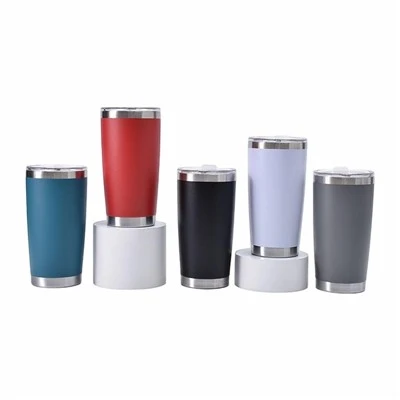
If any of these signs sound like your carafe—slow leaks, weird taste, cold coffee too fast, cracks or chips, a bad lid—then it’s time to replace it. I get it, replacing stuff is a pain, but trust me, a good carafe will last way longer than the bad one you’ve been clinging to, and it will make your coffee taste so much better. If you’re not sure what kind of carafe to get, or you want to chat about which one works best for your cafe, home, or office, reach out to talk sourcing. We’ve got glass and stainless steel carafes that are built to last, with tight seals, great insulation, and easy cleaning—no more dribbles, no more weird tastes, no more cold coffee. Don’t let a worn-out carafe ruin your next batch of joe—swap it today.
Coffee Carafe References:
- Specialty Coffee Association. (2020). Brewing Best Practices: Equipment Maintenance for Coffee Carafes.
- Coffee and Tea Trade Association. (2021). Lifespan Expectations for Commercial and Residential Coffee Carafes.
- Journal of Food Science and Agriculture. (2019). Effects of Coffee Oil Buildup on Flavor Profile of Brewed Coffee in Reusable Carafes.
- National Restaurant Association. (2022). Kitchen Equipment Replacement Guide: Coffee Service Tools.
Kairun International Co., Ltd.
As one of the most professional coffee carafe suppliers in China, we’re featured by quality products and good service. Please rest assured to wholesale customized coffee carafe made in China here from our factory. Welcome to contact us for more cheap products.
Address: NO.60 JIAZHAI,NANSHI DISTRICT,DONGYANG CITY,ZHEJIANG PROVINCE, CHINA
E-mail: lanzhou301@126.com
WebSite: https://www.kairunhouseware.com/
