When I first started my toy box supply business over a decade ago, I made a promise to myself that every unit I shipped would do more than just hold stuffed animals and Legos. Back then, I’d hear from parents all the time complaining about empty space—either in their kids’ bedrooms or in other parts of the home—and asking if our sturdy, well-built boxes could work for things beyond toys. At the time, I’d stick to our product’s core purpose, but as I watched families adapt their spaces over the years, I began to test these uses myself, talk to designers, and even run small trials with customers. Today, after thousands of boxes in homes and offices across the country, I can say with confidence that a quality toy box is more versatile than most people realize. Let’s break down why that is, how to pull it off without ruining the box or your items, and the real-world proof that this small piece of furniture can earn its keep in ways you never thought possible. Toy Box
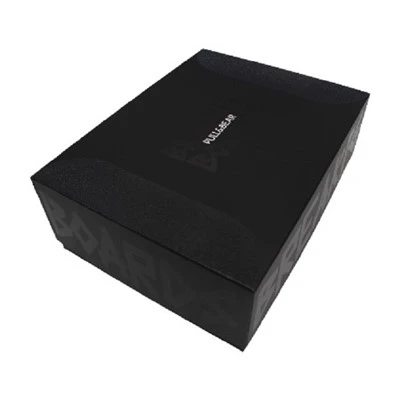
First, let’s get one thing straight: not all toy boxes are created equal, and that’s a key detail most people miss when thinking about repurposing them. The ones I supply aren’t the flimsy cardboard or particleboard ones you find at big-box stores that warp after six months of holding water or heavy items. Our boxes are built with solid pine, reinforced hinges, and a weight capacity tested to hold up to 200 pounds—enough for a pre-teen sitting on the lid to open a jar of slime, and more than enough for storing non-toy items. That sturdiness is non-negotiable if you want to use a toy box for something else; a thin, cheap box will fall apart holding blankets or books, which is why many people’s failed attempts at repurposing start with the wrong product. I learned this early on when a customer brought back a warped particleboard toy box she’d tried to use to store her daughter’s winter coats. She’d stuffed four puffy jackets and a pair of snow boots in it, and within a month the bottom had buckled. That’s when I started including a small, unobtrusive note with every order listing recommended alternate uses and weight limits, a simple step that’s helped hundreds of families avoid similar mistakes.
One of the most popular alternative uses we’ve seen, and the one I’ve tested in my own home, is storing bedding. When my oldest daughter outgrew her twin bed, we kept her solid oak toy box and started storing linen sets, extra pillows, and even a light comforter in it. The lid’s wide opening makes it easy to pull out a sheet set without digging through a crowded linen closet, and the solid wood keeps dust and moisture out better than a plastic storage bin—perfect for delicate cotton or linen that gets damaged easily. I’ve had customers use our boxes for this exact purpose in every room of the house: a small box at the foot of a guest bed storing extra blankets, a long box in the hall closet holding emergency linens for when guests stay over, even a box in the master bedroom for sheets that match the duvet. The biggest benefit here is size: most standard toy boxes are 48 inches long and 24 inches wide, which fits a standard flat sheet perfectly without having to fold it awkwardly. I’ve also worked with a few interior designers who specify our toy boxes for guest bedrooms specifically for this reason—they look like functional furniture, not plain storage, so they fit in with the rest of the decor.
Another use that’s exploded in popularity over the last five years is office and craft storage. As more people work from home, they’re looking for ways to hide messy supplies without adding clunky plastic bins to their desks. Our toy boxes make perfect storage for art supplies, office paperwork, even small electronics like printers or scanners. A friend who runs a graphic design studio uses one of our extra-large boxes to store all her sketchbooks, markers, and paint tubes—she keeps it closed during client meetings to keep the space tidy, and opens it when she needs to work on a project. The lid doubles as a workspace too, which is a nice bonus for small home offices where every inch counts. I’ve had customers tell me they use our boxes to store holiday decorations: string lights, ornaments, wrapping paper. The rigid sides protect fragile items from getting crushed, and the lid keeps dust off delicate pieces when they’re stored in an attic or basement. For crafters, the deep interior is perfect for holding yarn, fabric scraps, and knitting needles—no more boxes of supplies rolling around the floor of a craft room. I even tested one of our boxes for storing a small laptop and a wireless mouse; the padded interior I started offering as an optional add-on a few years ago protects the screen from scratches, and the lid keeps dust off the keyboard when it’s not in use.
Of course, no conversation about repurposing a toy box would be complete without talking about durability and maintenance. A lot of people worry that using a toy box for something other than toys will wear it out faster, but that’s only true if you don’t take care of it. Our solid pine boxes are finished with a non-toxic, water-based sealant that’s easy to wipe down—perfect if you use them for storing muddy sports gear or wet beach towels. I had a customer use one of our boxes for a year to hold her son’s soccer cleats, shin guards, and uniform, and when she brought it back for a stain removal service (we offer free touch-ups for life for all our customers), it looked almost new. The key here is to line the bottom and sides with a washable plastic liner, which you can pick up at any home goods store, to catch dirt or moisture. Even if you’re using it for books or paperwork, a liner protects the wood from spills or dust, which will extend the life of the box. I always tell customers that the biggest enemy of any piece of furniture is neglect, so a quick wipe-down with a damp cloth every few months is all it takes to keep a toy box in good shape, whether it’s holding Legos or laundry detergent.
There’s also the question of safety, which is something I take very seriously as a toy box supplier. All our boxes meet ASTM international safety standards, which means they have soft-close hinges that prevent fingers from getting pinched, and no sharp edges or small parts that could be a choking hazard. That’s a big plus if you’re using a toy box in a space where kids or pets might be around; the soft-close hinge ensures the lid won’t slam shut on a curious toddler, and the sturdy wood means it won’t tip over if a pet climbs on it. I’ve had customers use our boxes as pet beds too, which might sound unusual, but it works perfectly for large dogs that like to have a covered space. The lid keeps the dog warm in the winter, and the deep interior is just the right size for most breeds. One customer told me her golden retriever sleeps in a medium-sized toy box every night, and it’s become his favorite spot because it feels secure. Again, the sturdiness of our boxes is what makes this possible—flimsy boxes would collapse under the weight of a large dog, but our solid wood ones hold up for years.
Of course, I’d be remiss if I didn’t mention a few common mistakes people make when repurposing toy boxes, because that’s how you get the best out of the product. The first mistake is buying too small a box. A lot of people think a small toy box will work for storage, but most small boxes are only 24 inches long, which is too short to fit a flat sheet or a standard laptop. I always recommend measuring the space you have before buying a box, and then measuring the items you want to store to make sure they fit. The second mistake is overloading the box. Even though our boxes hold up to 200 pounds, it’s better to distribute the weight evenly across the bottom of the box to prevent warping. If you’re storing heavy items like books or tools, place them in the center of the box, not along the edges, to keep the bottom from bowing. The third mistake is not considering the space’s climate. If you’re storing items in an attic or basement that’s very humid, make sure to add a desiccant pack inside the box to prevent mold or mildew. We started including a small bag of desiccant with every order a few years ago after a customer told me her winter coats had developed mold because the box was stored in a damp basement. It’s a small, inexpensive add-on that makes a big difference.
Over the years, I’ve learned that the best products are the ones that adapt to people’s lives, not the other way around. When I first went into business, I thought toy boxes were just for toys, but after talking to thousands of customers and seeing how they use our boxes in ways I never imagined, I realized that a quality toy box is a versatile piece of furniture that can grow with your family. It can hold stuffed animals and Legos when your kids are small, linen sets when they move out, office supplies when you start working from home, and even act as a pet bed for your furry friend. The key is choosing a box that’s built to last, taking care of it, and being creative about what you put inside.
If you’ve got old storage space in your home that feels cluttered, or if you’re looking for a functional piece of furniture that doesn’t skimp on style, a toy box might be exactly what you need. We make a range of sizes and styles to fit every space, from small medium boxes for bedrooms to extra-large boxes for attics or garages. Our team can help you choose the right size for your needs, and we offer custom finishes to match your decor, so it doesn’t look out of place in your living room, office, or hallway. If you’re interested in learning more about our boxes and how they can work for your storage needs, or if you’d like to place a wholesale order for your home or business, don’t hesitate to reach out. We’re happy to answer any questions you have, help you select the right product, and make sure you get the perfect piece for your space.
Shipping Carton References
ASTM International. (2021). Standard Safety Specification for Toy Boxes and Chests. ASTM F963-21.
National Association of Professional Organizers. (2022). Functional Storage Solutions for Small Spaces. NAPO Report.
Wood Industry Association. (2020). Durability Standards for Solid Wood Furniture Components. WIA Technical Bulletin.
Dongguan Jinying Printing Co., Ltd.
As one of the most experienced toy box manufacturers and suppliers in China and Vietnam, we also support custom service and OEM service. Welcome to buy bulk luxury toy box at competitive price from our factory. If you have any enquiry about cooperation, please feel free to email us.
Address: No. 5, 1st Road, Jingshan Third Industrial Zone, Chashan Town, Dongguan City, Guangdong Province
E-mail: inquiry@dg-jinying.com
WebSite: https://www.gpspacking.com/
