Hey there, DIY enthusiasts! I’m stoked to share some insights on how to design a support bracket for your DIY project. I’ve been in the support bracket supply game for a while now, and I’ve seen all sorts of cool builds that rely on these little workhorses. So, let’s dive right in! Support Bracket

Understanding the Basics
First off, you need to grasp the fundamental role of a support bracket. Essentially, it’s there to provide stability and reinforcement. Whether you’re building a shelf, a workbench, or a piece of furniture, a well – designed support bracket can make all the difference. It takes the load off the main structure and distributes the weight evenly, preventing sagging, cracking, or even complete failure.
When you start your design process, think about the purpose of your DIY project. What kind of load will the bracket need to support? Is it a static load, like a bookshelf filled with books, or a dynamic load, such as a bracket supporting a swing? Knowing this will help you determine the strength requirements of your bracket.
Materials Matter
The material you choose for your support bracket is crucial. There are several options out there, each with its own pros and cons.
-
Wood: Wood is a popular choice for DIYers because it’s easy to work with. You can cut, sand, and shape it using basic tools. Pine, oak, and maple are common woods for support brackets. Pine is lightweight and inexpensive, making it great for light – duty projects. Oak, on the other hand, is stronger and more durable, suitable for heavy – load applications. But keep in mind that wood can warp or rot over time, especially if it’s exposed to moisture.
-
Metal: Metal brackets, like steel or aluminum, offer high strength and durability. Steel is super strong and can handle heavy loads, but it’s relatively heavy. Aluminum, in contrast, is lightweight and resistant to corrosion, making it a good option for outdoor projects. However, working with metal might require more specialized tools, like a metal cutter and a welder.
-
Plastic: Plastic brackets are lightweight and affordable. They’re also resistant to chemicals and moisture. ABS plastic is a common choice for support brackets as it has good impact resistance. But they may not be as strong as wood or metal, so they’re best for light – duty projects.
Measuring and Planning
Before you start cutting and shaping, you’ve gotta measure everything properly. Measure the area where the bracket will be installed, as well as the object it will support. Make sure to account for any angles or curves.
Sketch out your design on a piece of paper. Draw the shape of the bracket, including its dimensions. This will give you a clear visual of what you’re trying to create. Label all the measurements so you don’t forget them. Also, think about how the bracket will attach to the main structure. Will you use screws, nails, or bolts? The type of attachment will affect the design of the bracket.
Design Considerations
-
Shape: The shape of your support bracket can vary depending on the application. Triangular brackets are a classic choice because they’re very stable. The triangular shape distributes the load evenly and provides maximum support. L – shaped brackets are also common, especially for shelving units. They can be easily attached to the wall and the shelf.
-
Size: The size of the bracket is determined by the load it needs to support. A larger bracket can generally handle more weight. But you also don’t want to over – size the bracket, as it might look out of place or add unnecessary weight to your project.
-
Aesthetics: Don’t forget about how the bracket will look! You want it to fit in with the overall design of your DIY project. You can paint or stain the bracket to match the color of the main structure. Some people even like to add decorative elements to their brackets to make them stand out.
Prototyping
Once you have your design planned out, it’s a good idea to make a prototype. This doesn’t have to be a perfect, fully – functional version of your bracket. You can use cheaper materials, like cardboard or foam board, to get a feel for the design.
Build the prototype according to your measurements and design sketches. Test it out by applying some simulated load. See if it holds up and if the shape and size are right. You might find that you need to make some adjustments. Maybe the bracket is too weak in a certain area, or it doesn’t fit properly. This is the time to make those changes before you start working with your final materials.
Cutting and Assembly
If you’re using wood, you can use a saw to cut the pieces to the right size and shape. Make sure to use a sharp blade and take your time to make accurate cuts. Sand the edges to smooth them out and prevent splinters.
For metal, you’ll probably need a metal cutter or a hacksaw if you’re working with thinner materials. If you need to weld the pieces together, make sure you have the proper safety equipment and know how to weld correctly.
Once you have all the pieces cut, it’s time to assemble the bracket. If you’re using screws or bolts, drill pilot holes first to prevent the wood or metal from splitting. Then, attach the pieces together firmly.
Testing the Bracket
After the bracket is assembled, it’s time for some real – world testing. Install the bracket on your DIY project and start loading it up. Start with a light load and gradually increase it to see how the bracket performs. Look for any signs of bending, cracking, or loosening.
If the bracket passes the test, great! You’ve got a successful design. But if there are any issues, go back to the drawing board. Analyze what went wrong and make the necessary improvements.
Why Choose Our Support Brackets
Now, I know designing and building your own support bracket can be a lot of fun. But if you’re short on time or don’t have the tools, we’ve got you covered. As a support bracket supplier, we offer a wide range of high – quality brackets.
Our brackets are made from top – notch materials, whether it’s strong steel for heavy – duty applications or lightweight aluminum for outdoor use. We’ve got different shapes and sizes to fit all sorts of DIY projects. And the best part? Our prices are super competitive.
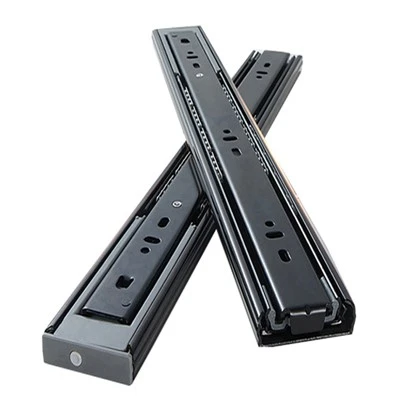
We understand that every DIY project is unique, so we’re always happy to help you find the perfect support bracket. Our team of experts can offer advice on which bracket is best for your specific needs. Whether you’re a beginner DIYer or a seasoned pro, we’ve got something for you.
Hinge If you’re interested in exploring our range of support brackets or want to have a chat about your project, don’t hesitate to get in touch. We’re here to help you make your DIY project a success. Contact us for more information and let’s start the conversation about your support bracket needs.
References
- "DIY Woodworking Projects for Beginners", Smith, J.
- "Metalworking Basics", Johnson, R.
- "Plastic Materials in Construction", Brown, A.
Guangzhou Fengcheng Industrial Co., Ltd.
As one of the most professional support bracket manufacturers and suppliers in China, we’re featured by quality products and good price. Please rest assured to buy bulk support bracket for sale here and get quotation from our factory. We also accept customized orders.
Address: No. 135-136, Tianjian Square, Baiyun District, Guangzhou City, Guangdong Province
E-mail: fc223228@163.com
WebSite: https://www.foncher.com/
